


«Connecting life with sport» – Conectando la vida con el deporte EN
Project summary
This Erasmus+ project is type KA220. It is coordinated by the “Drawing to health” foundation, from Deventer (Netherlands).
After 15 years of working in special education at the Mulock Houwer in Amersfoort – now called Axia College – I took the plunge and applied for a project in Greece. I was bursting with ideas and was subsequently introduced to a Turkish university there. One thing led to another and through networking we eventually met. The idea arose to write this project after I told that we see that the combination of young people and autism is increasing. We also see this in education, because learning requires certain skills from children, and young people. Autism and the challenges associated with it in our society can put pressure on a school system. In recent months, several journals reported/reported that medication was temporarily unavailable for youngsters with autism. We got back completely new students, a new start to a new journey of discovery. Once again, we were invited to meet our pupils at school again. Movement and sports are an opportunity for us, a way to connect with society.
Sport, and exercise in general, are important. Often it stands alone, sport is practised within clubs, or as a separate activity. This is where the challenge lies for us. We want to create a fundamental intertwining, between our work and exercise, so that the connection becomes deeper.
Like everyone’s life, the life of those with autism also has ups and downs.
When dealing with / suffering from autism, it is important to balance the left and right hemispheres of the brain. One way to do this is through sport; both hemispheres of the brain are challenged in it.
Autism affects the life of the individual and his/her family in a very serious way. In recent years, the number of people with autism has increased. While only one in 2500 children was diagnosed with autism in 1985, one in 150 children in 2000 and one in 88 children in 2008, today one in 55 children is born at risk of autism. Even if we do not know the cause of autism, it is possible with effective teaching methods to minimize the developmental disorders of these children, by intervening early and preventing differences between peers. Training (perhaps better: studies on rather than training over) about autistic individuals in Europe and Turkey, that sport is very effective in their development. However, the inadequacy and lack of studies for sports education is also noteworthy. In this project, educators will first learn how to use sports as a tool to develop self-care skills, play, socialization, and communication skills of autistic children. Interesting / useful conclusions in this area we will share with different countries, in order to increase the competences of the institutions. In order for children diagnosed with Autism Spectrum Disorder to integrate into society, socialize, develop their communication skills and develop their own self-care skills in common institutions and regions, families and educators trained in these areas are needed. Families and educators will learn how to contribute to the development of these children, through the provision of sports skills by experts in their field, and their educational stages and forms. During the preparatory phase of the project, the identified shortcomings in the development of social and psychomotor skills of children with mild autism aged 3-10 years will be addressed, both institutionally and in the field of teachers and families. As a result of the trainings, practices, observation
of good practices and joint studies, teaching the methods of acquiring self-care skills to children with mild autism aged 3-10 years through sports, the use of the techniques for acquiring play, socialization and communication skills for children with mild autism aged 3-10 years, focus on competency improvement.
Like everyone else, people with ASD know love, happiness, sadness and pain. However, they have difficulty expressing themselves about this. Like everyone else, they are entitled to feelings, thoughts and legal provisions. Children with ASD expect to be noticed, understood and accepted by society, both in education and in social life within the framework of equal opportunities. Their only remedy requires an approach of love, patience and understanding, supported by well-planned education. With this project, educators will learn how to use sports as a tool to improve the self-care skills, psychomotor skills, interpersonal relationships, and communication skills of children with ASD. We share interesting conclusions from this in different countries, in order to increase institutional competences.
The trainings have shown that (practicing) sports is very effective for people with ASD. However, the scarcity and inadequacy of sports education studies is attracting attention. With this project, the coordinating sports training program, which is prepared for children with autism, will be taught to the trainers.
In this context, the overall aim of the project is to increase the competences of educators working with mildly autistic children to develop the social and psychomotor skills of these children aged 3 to 10 years.
Our main objectives are:
- Educators teach the methods of self-care skills to mildly autistic children aged 3 to 10 years through sports.
- Educators teach the techniques of play, socialization and communication skills to mildly autistic children aged 3 to 10 years.
- Promoting good practices/similar projects in partner countries among partner institutions.
A social networking site will be set up for dissemination, a bulletin will be prepared, posters and brochures will be printed and the handbook will be printed at the end of the project. The materials are prepared by the team of relevant institutions, through a workshop. Two spot films will be made;/ The intention is that there will be two films / movies. The /The first at the beginning of the project and the second at the end of the project. To measure success, a questionnaire will be administered to families and institutional staff, and periodic meetings will be held with parents and institutional staff. After the evaluation of the practice, a joint action plan will be drawn up. This will be followed by a joint ‘trainers training’, followed by practical studies for autistic children and families.
Four activities were planned for the families of ASD children. Finally, a workshop was held to transfer the most important findings to the institutions.
The participants in the project were educators, who work with autistic children, parents of autistic children and autistic children aged 3-10 years.
In addition to the staff of the institutions, ten autistic children and their parents will be involved in the practices.
In addition to the common duties of all partners, additional duties are also given in accordance with the capacities of each country. Common tasks are:
- To hold informative meetings for their own institutions.
- Printing and distributing posters and brochures prepared by the Spanish.
- To publish news about the project they will prepare to the local press.
- Applying and evaluating family surveys and surveys for institution employees and submitting a final report to the coordinator.
- To organize at least three social activities for families.
- Holding four periodic evaluation meetings with the staff of the institution(s) and conveying the results to the coordinator(s).
- To send participants with a profile suitable for the training of trainers, to contribute to the development of a joint action plan.
- Parent education and family meetings.
- To realize sample applications for students with ASD in line with the action plan.
- Participating in the good practices workshop.
- To participate fully in the activities.
- Host institutions will provide the necessary logistical support for the mobility and prepare materials parallel to the project activities.
- To make expansion studies.
The following special tasks are assigned on an institutional basis.
Drawing to Health Foundation:
This is the project coordinator and will oversee the overall activities. It will collect reports twice a year and facilitate communication between the partners. The DtH-Foundation is preparing a questionnaire report, based on the results of the surveys, which have been applied to staff and families.
The İZLE Rehabilitation Center prepares the manual and takes care of printing / printing it.
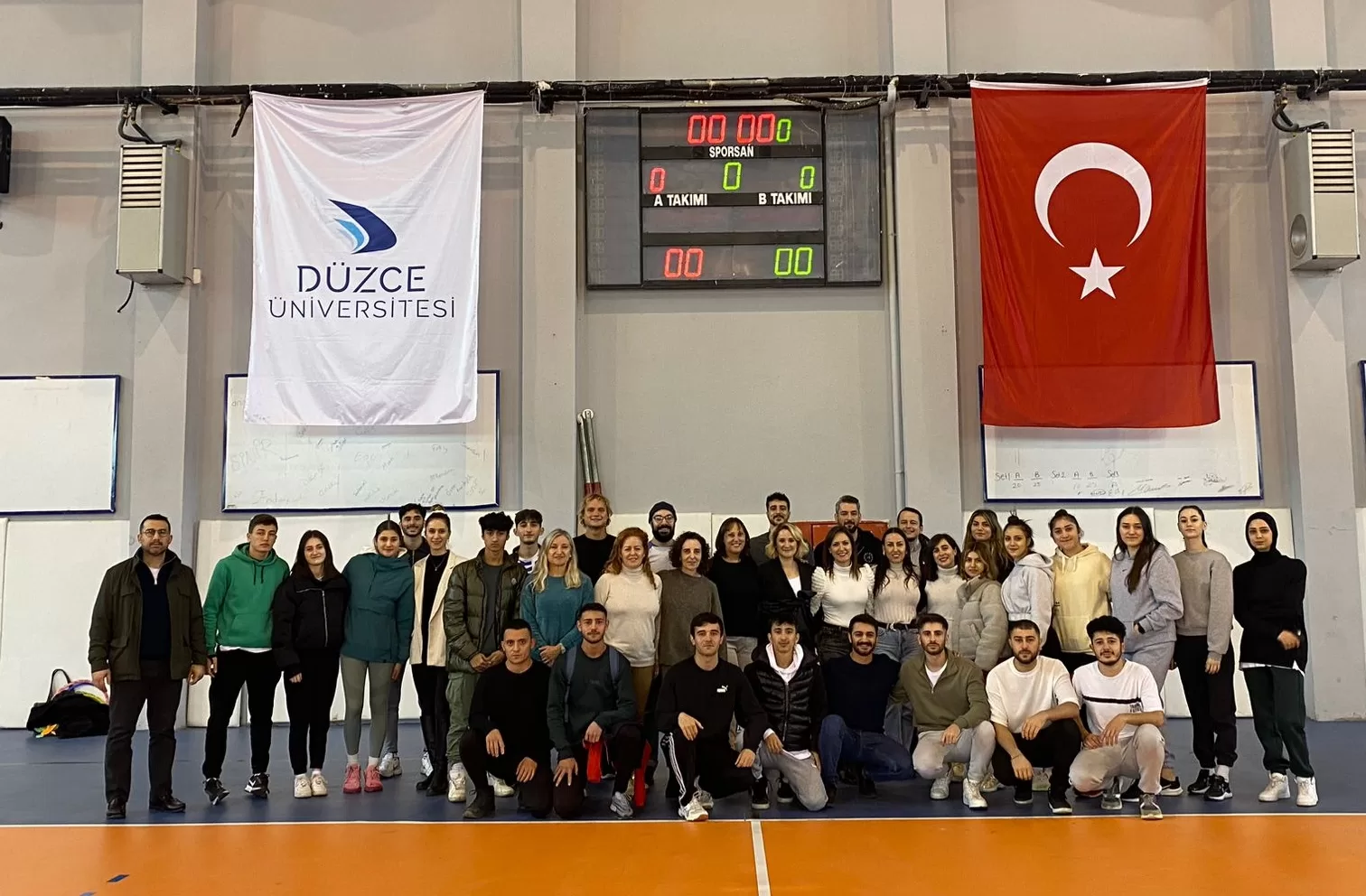
The Düzce University organizes and coordinates the training of trainers. In addition, D.U. translates the handbook into English and shares it with the partners.National missions:
Spain:
- Design brochures and share them with partners.
- Design the Dissemination plan.
- Preparing a spot film.
Turkey:
- Design questinnaires in English, for trainers and parents.
- Prepare four bulletins and share them with partners.
2.1. Coordinator: Dutch – Stichting Drawing into health –
The Netherlands.
2.2. Partners: (each partner makes its part)
Drawing to Health is a young foundation that follows its own path. With the experiences of educationalists, teachers and pedagogues, programs have been developed to improve and increase the personal development of professionals and teams and thus cultural and non-formal learning.
Drawing to Health originated from the need to map people’s psychosocial and emotional qualities – the ‘soft skills’ – of young people and professionals. The essential personal characteristics emerge through eye and hand coordination and the elaboration at the neurological level. These are qualities that usually remain unexposed in collaborations within teams, and within personal developments. Scientific studies have shown that visual language and character analyses provide insight into human behaviour. Drawing to health has developed Visual Language programs, in which drawings and drawing analyses provide insight into the ‘soft skills’ of the employees for the team and semi-government, such as care and education.
Provide security, Give confidence, Connect and Take responsibility.
That is how Drawing to Health gives its training and guides people. In the first years, the foundation focused mainly on young people based on demand. The growth within an organization can cause frictions within a team, such as sports teams. With the Visual Language programs of Drawing to Health, every young person or professional makes a drawing from one chosen archetype (human, animal, house…). The drawings are analyzed. The results are discussed in the team and provide insight, understanding and personal development plans, so that the companies and organizations can grow to the new horizon.
Imagery
For that reason, Drawing to Health states that more and more organizations, such as sports clubs – we also speak of new age organizations – need a new approach to teambulding. In practice, professionals often work on a project basis in mixed teams. In doing so, a great deal of appeal is made to people’s psychosocial and emotional qualities, the so-called soft skills. These are virtually impossible to measure with the current linear assessments, which therefore do not sufficiently match what is required of a team. The Drawing to Health Foundation sees this phenomenon particularly among sports teams, and wants to help prevent it.
LIST OF LINKS OF DIFFERENT ACTIVITIES OF DISSEMINATION-EOEP MOLINA
Materials - Results
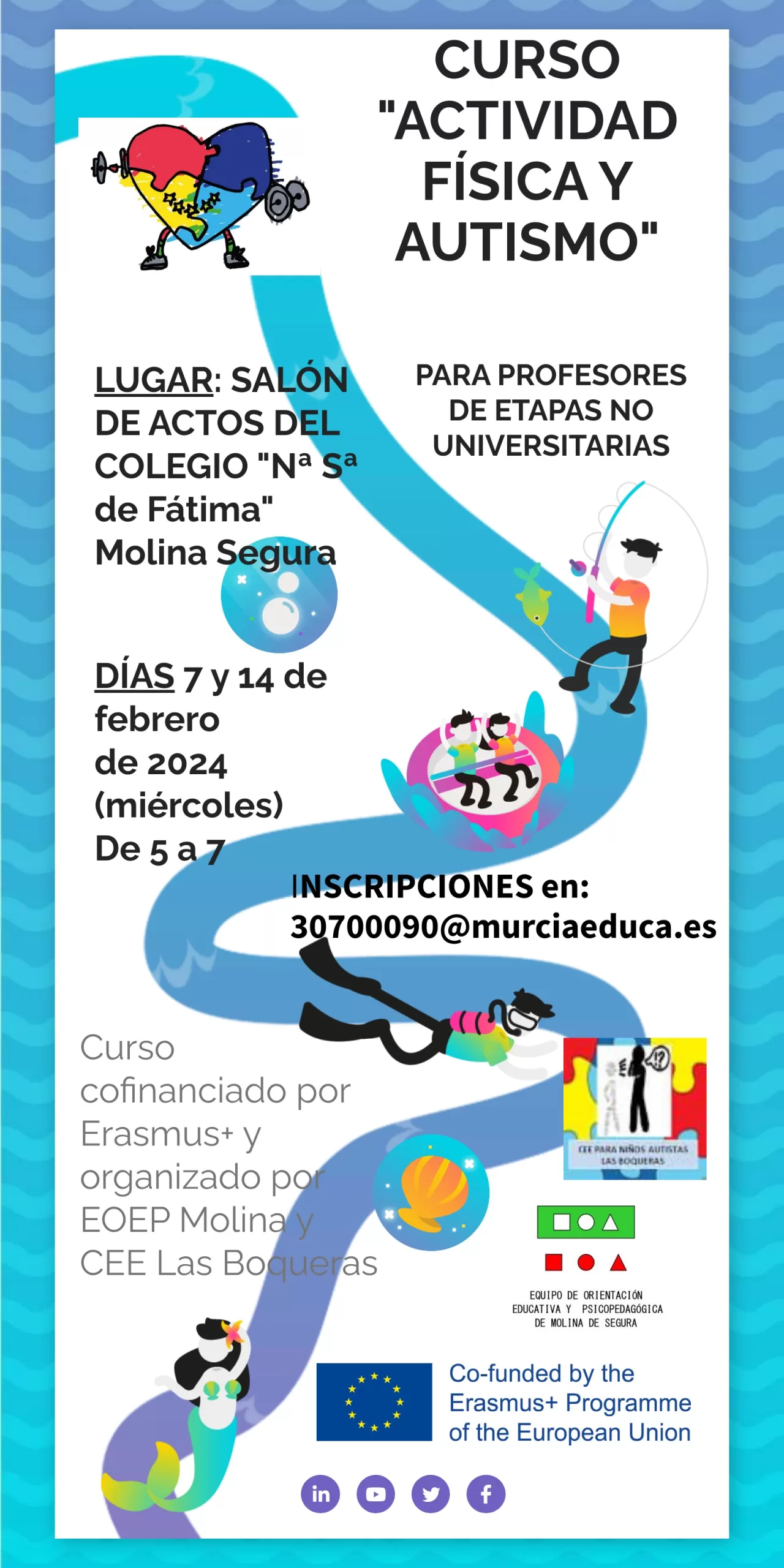
Meetings
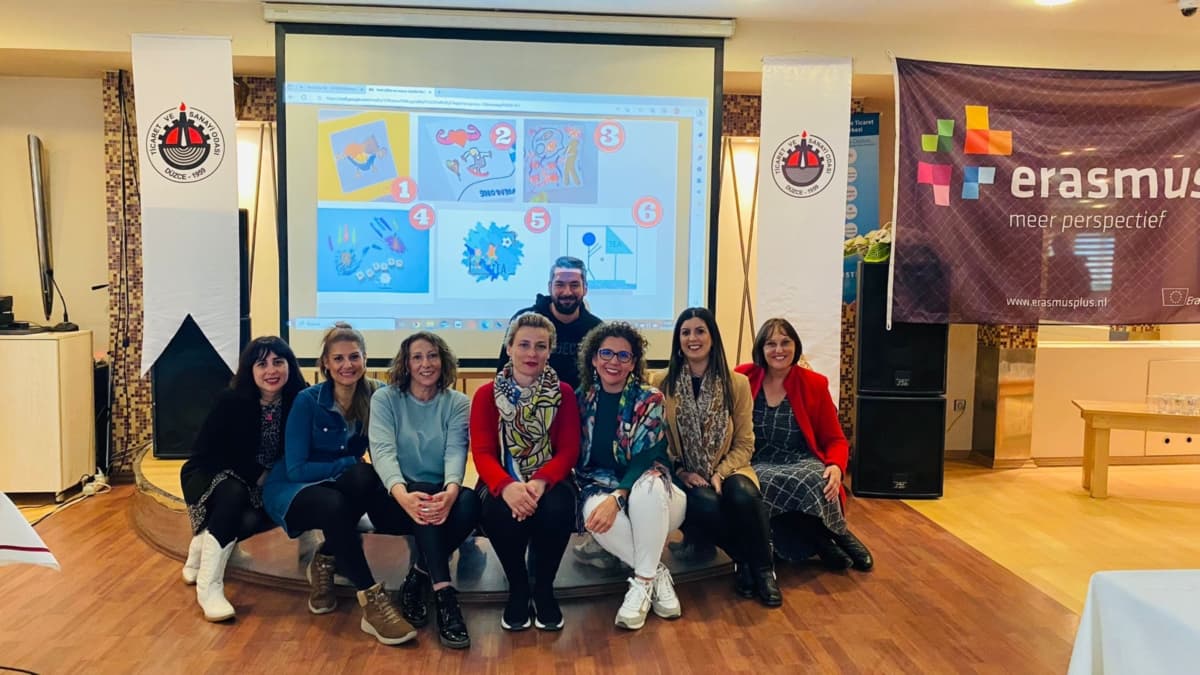
Düzce March 2023


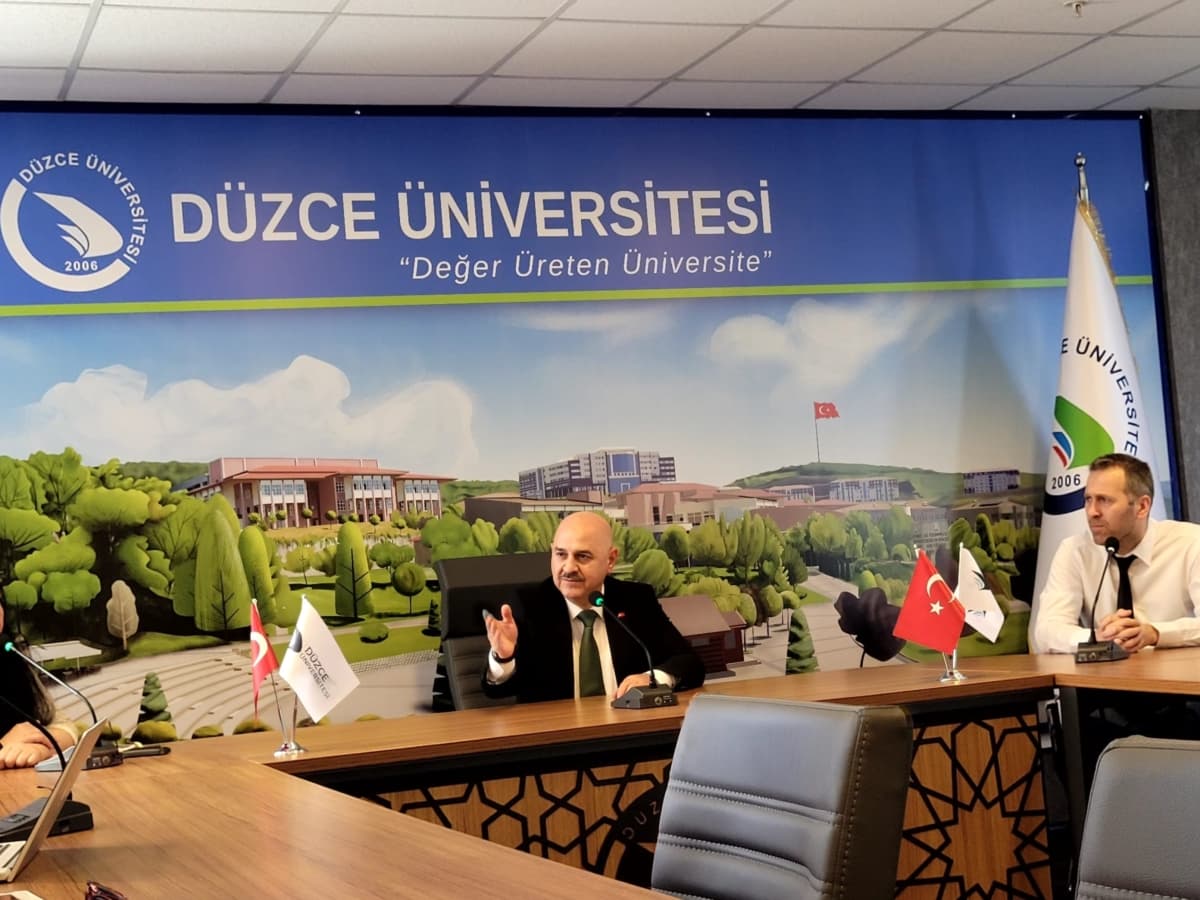




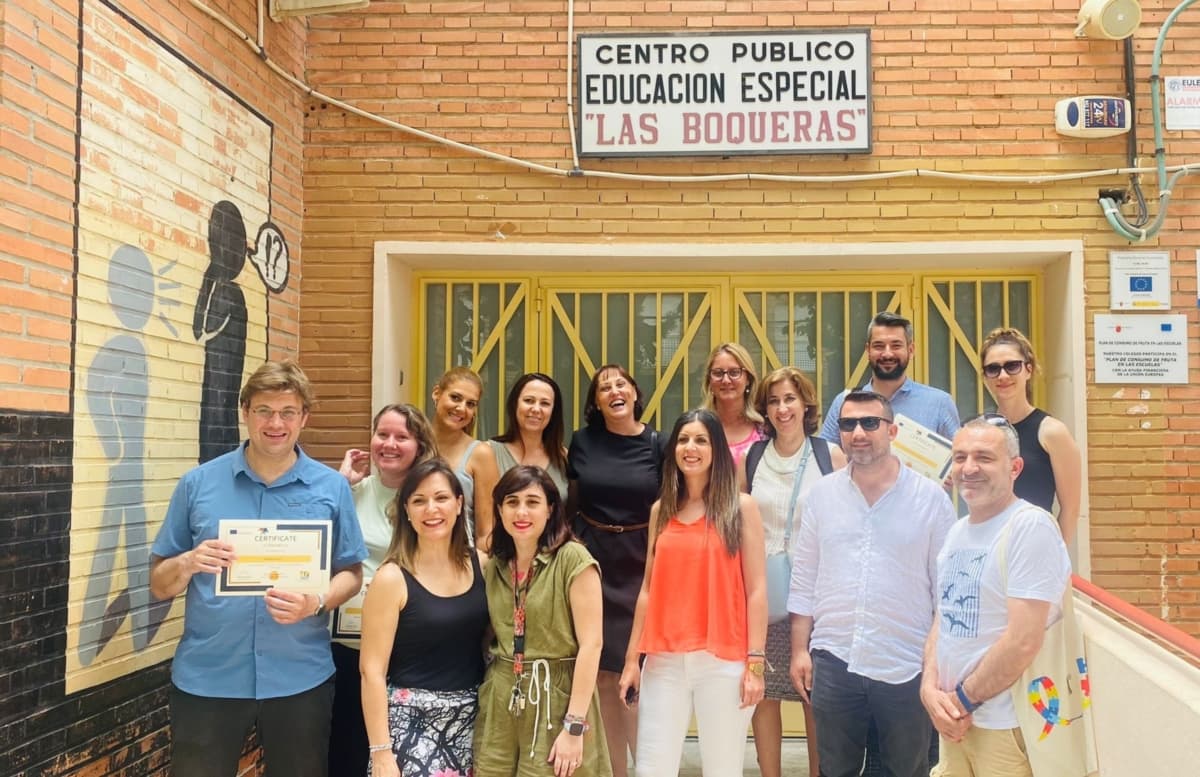
Murcia June 2023


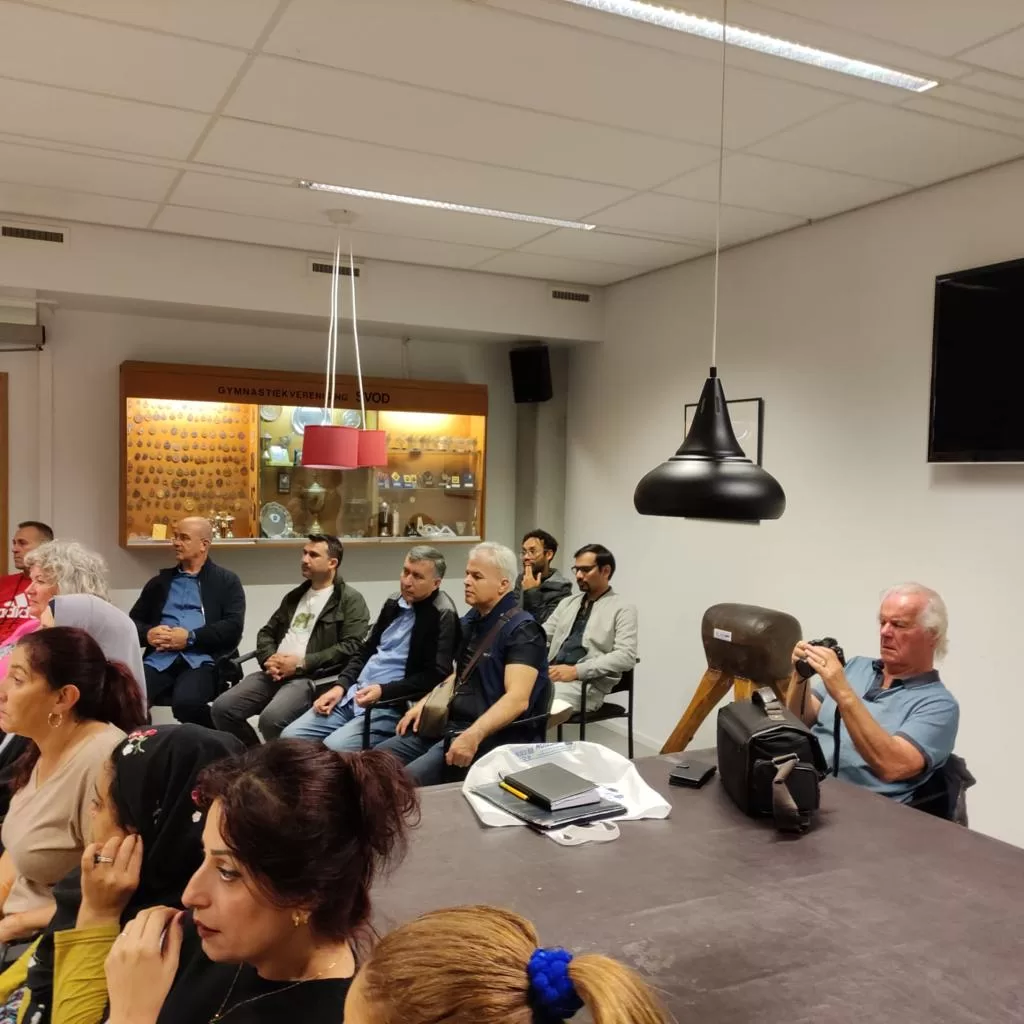
Deventer september 2023




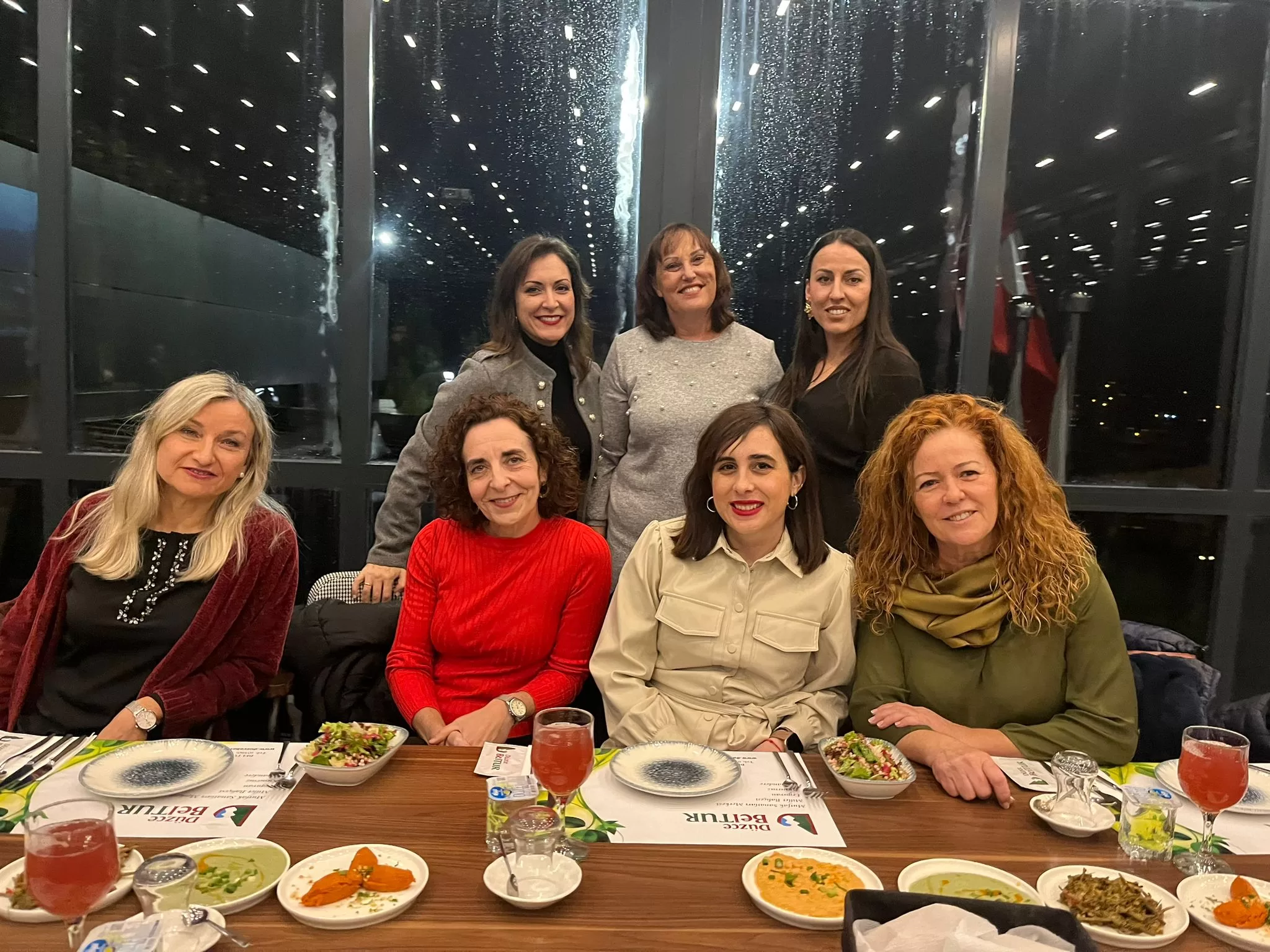
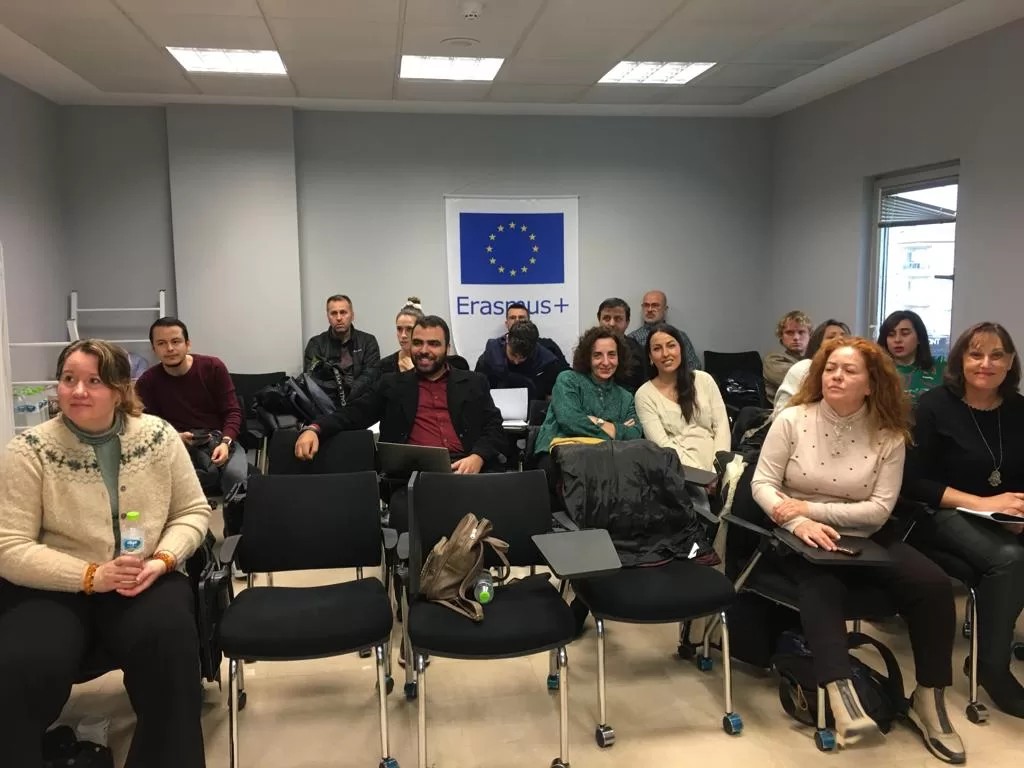
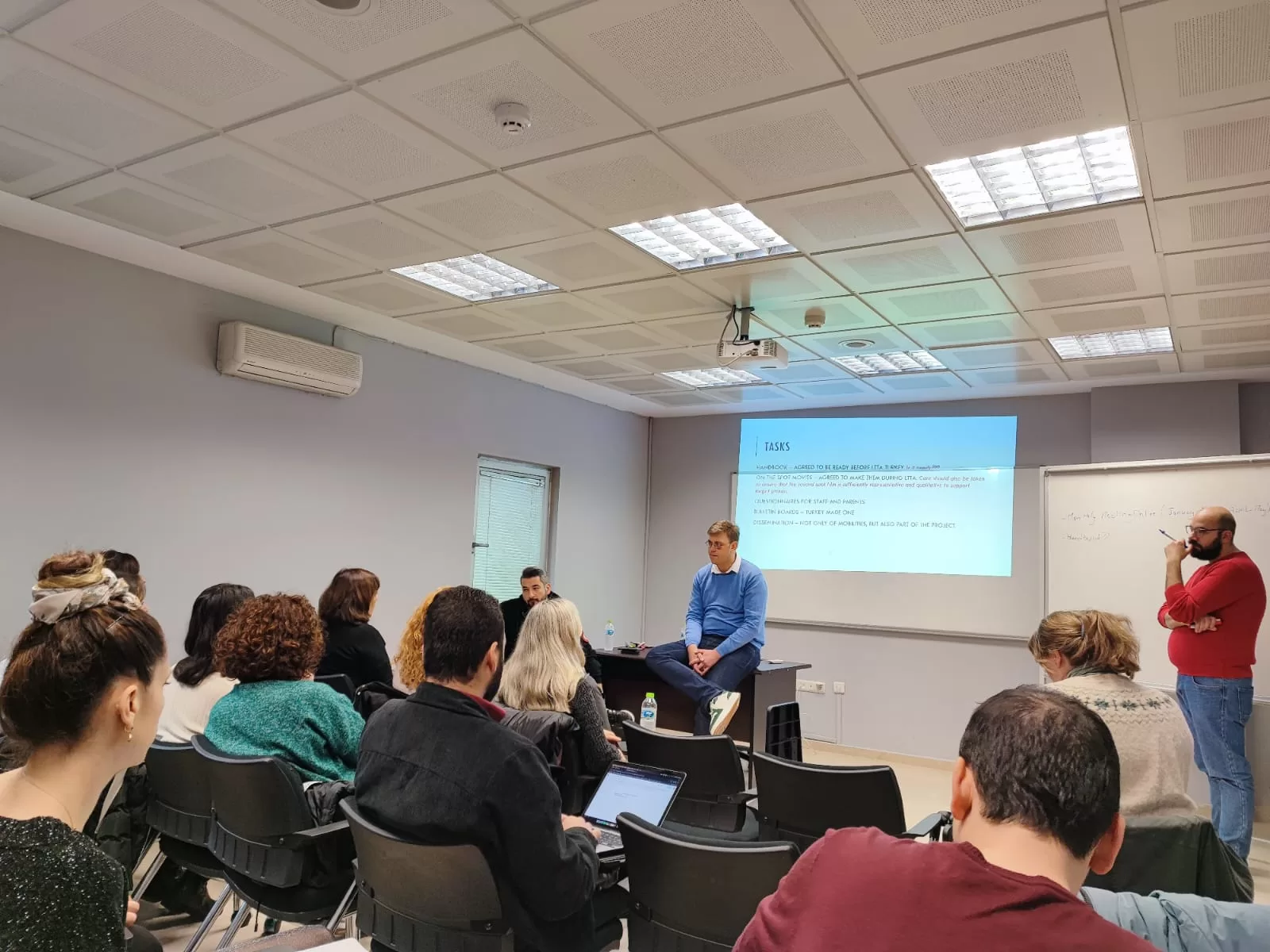
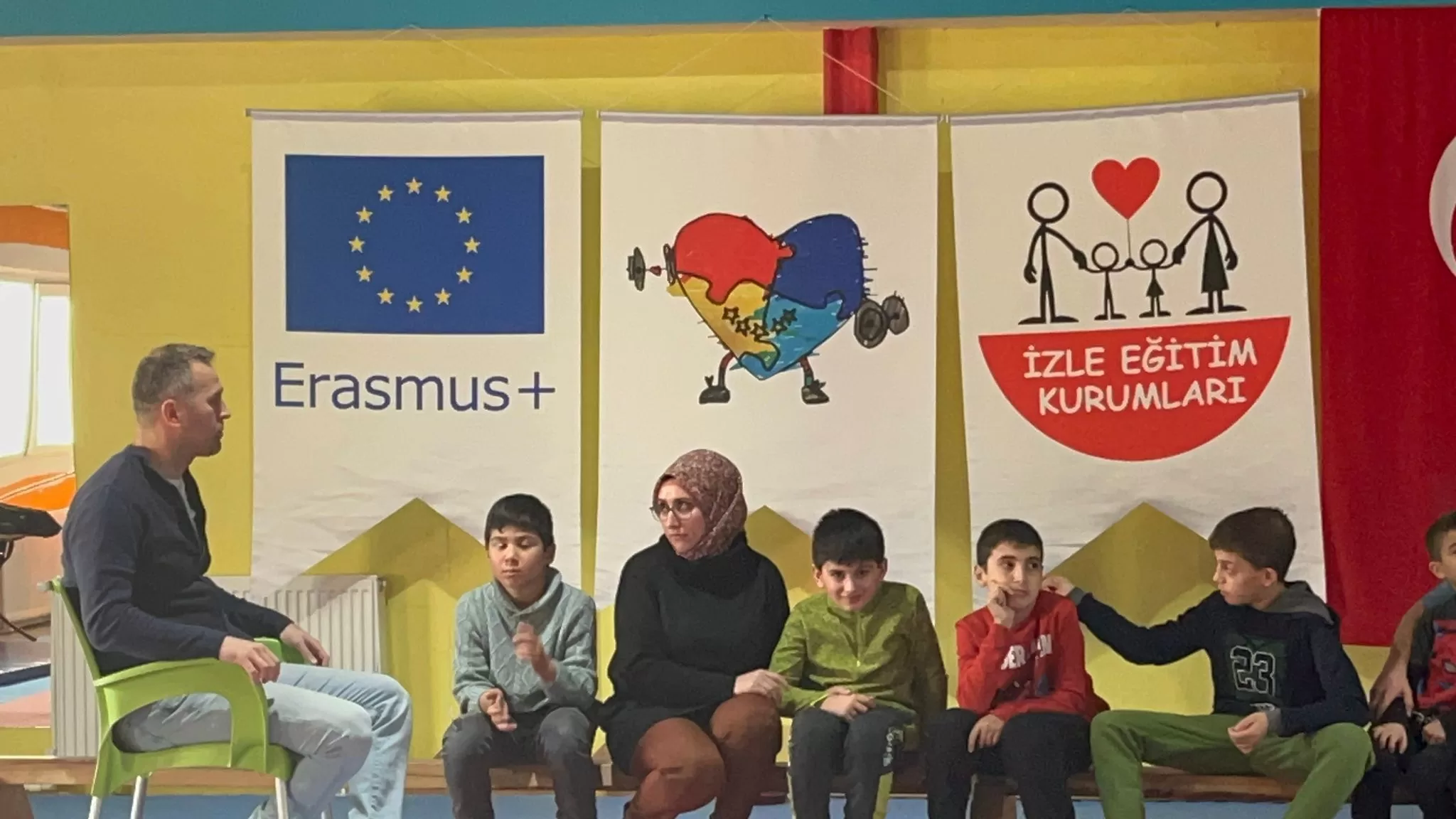
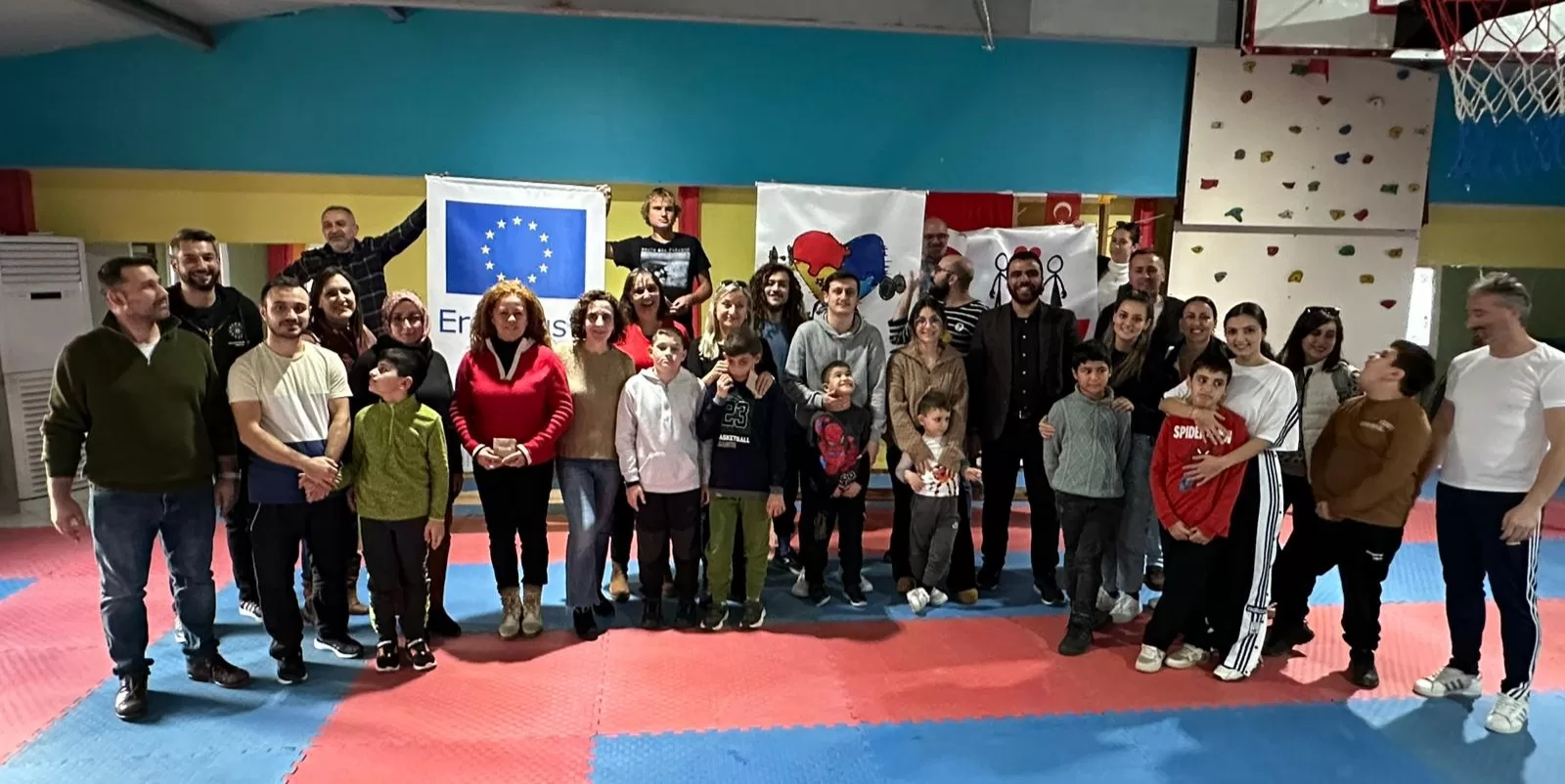
Tukey december 2023
First video of the program we created with the individual with behavioural problems working images:
https://e.pcloud.link/publink/show?code=XZC8leZ00SvtdNkBYhP5fXSmSDxVF5DkfVX
Examples of video studies:
https://e.pcloud.link/publink/show?code=XZ2kGeZRJHdHKeCeefNA62V9y5pAmozBbSk
3rd video watching development video with family, family reportaje:
https://e.pcloud.link/publink/show?code=XZskGeZwVKRbmgC5IpcFo6K2EsLIueFFay0










The project «Connecting life with sport – Conectando la vida con el deporte» is co-funded by the Erasmus+ program of the European Union. The content of this publication is the sole responsibility of the organizations involved in this project and neither the European Commission nor the Spanish Service for the Internationalization of Education (SEPIE) is responsible for any use that may be made of the information contained therein.